Comments Off on STEAM Time: Purple French Fries & Potato Prints
November 15, 2024
@
11:00 am
–
12:00 pm
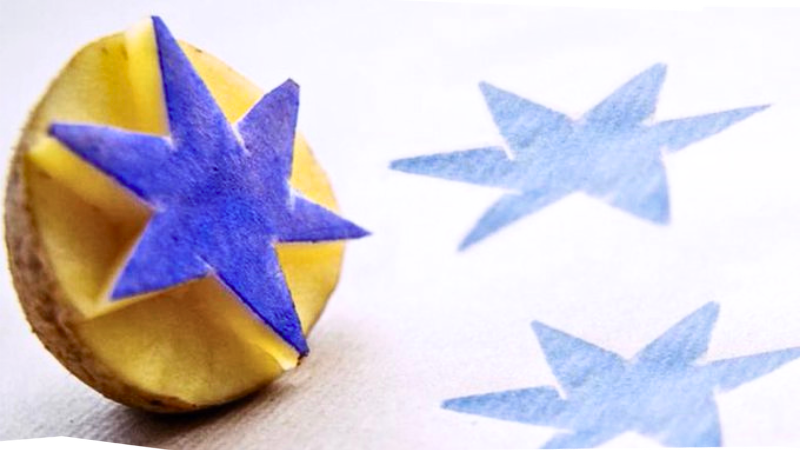
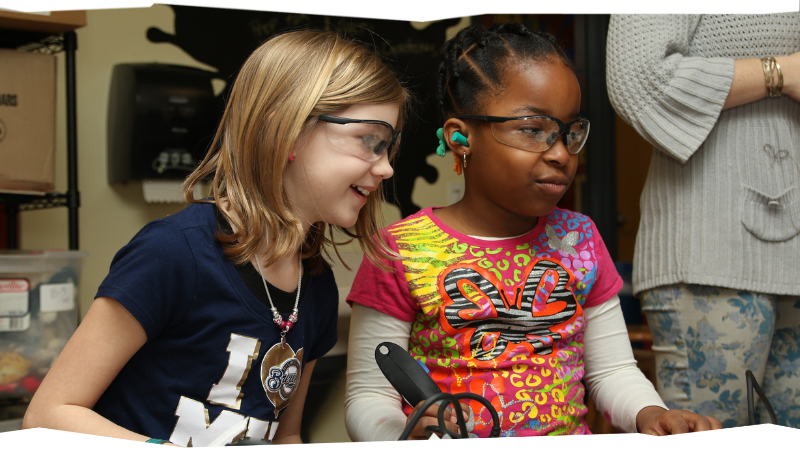
STEAM (Science, Technology, Engineering, Art, and Math) activities foster children’s creativity, ignite curiosity, encourage divergent thinking, and increase problem-solving skills as children explore the world around them. Today, we’ll taste fried potatoes grown in the Rooftop garden and make colorful potato prints!
STEAM (Science, Technology, Engineering, Art, and Math) activities foster children’s creativity, ignite curiosity, encourage divergent thinking, and increase problem-solving skills as children explore the world around them.
Learn about the chemicals contained in everyday kitchen ingredients and discover how they react with one another! Step into the role of a scientist and test these safe combinations with hands-on experimentation.
Join us each week for new STEAM (Science, Technology, Engineering, Art, and Math) activities. These hands-on programs foster creativity, ignite curiosity, encourage divergent thinking, build problem-solving skills, and offer new ways for kids to explore the world around them.
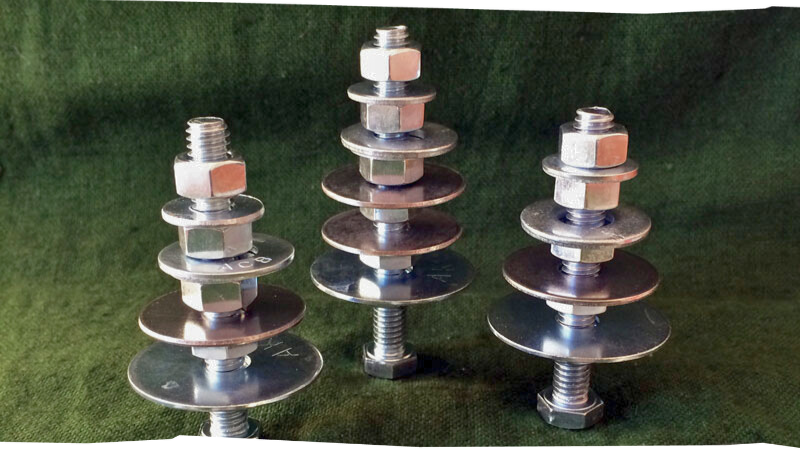
Build a little tannenbaum using hardware and washers. Sort the washers smallest to largest, and experiment with how to attach parts together.
STEAM (Science, Technology, Engineering, Art, and Math) activities foster children’s creativity, ignite curiosity, encourage divergent thinking, and increase problem-solving skills as children explore the world around them.
Do you find the idea of doing a science experiment intimidating? Does S.T.E.M scare you? Never fear! “Doing science” with young children doesn’t need to be complicated and you have plenty of materials right in your home.
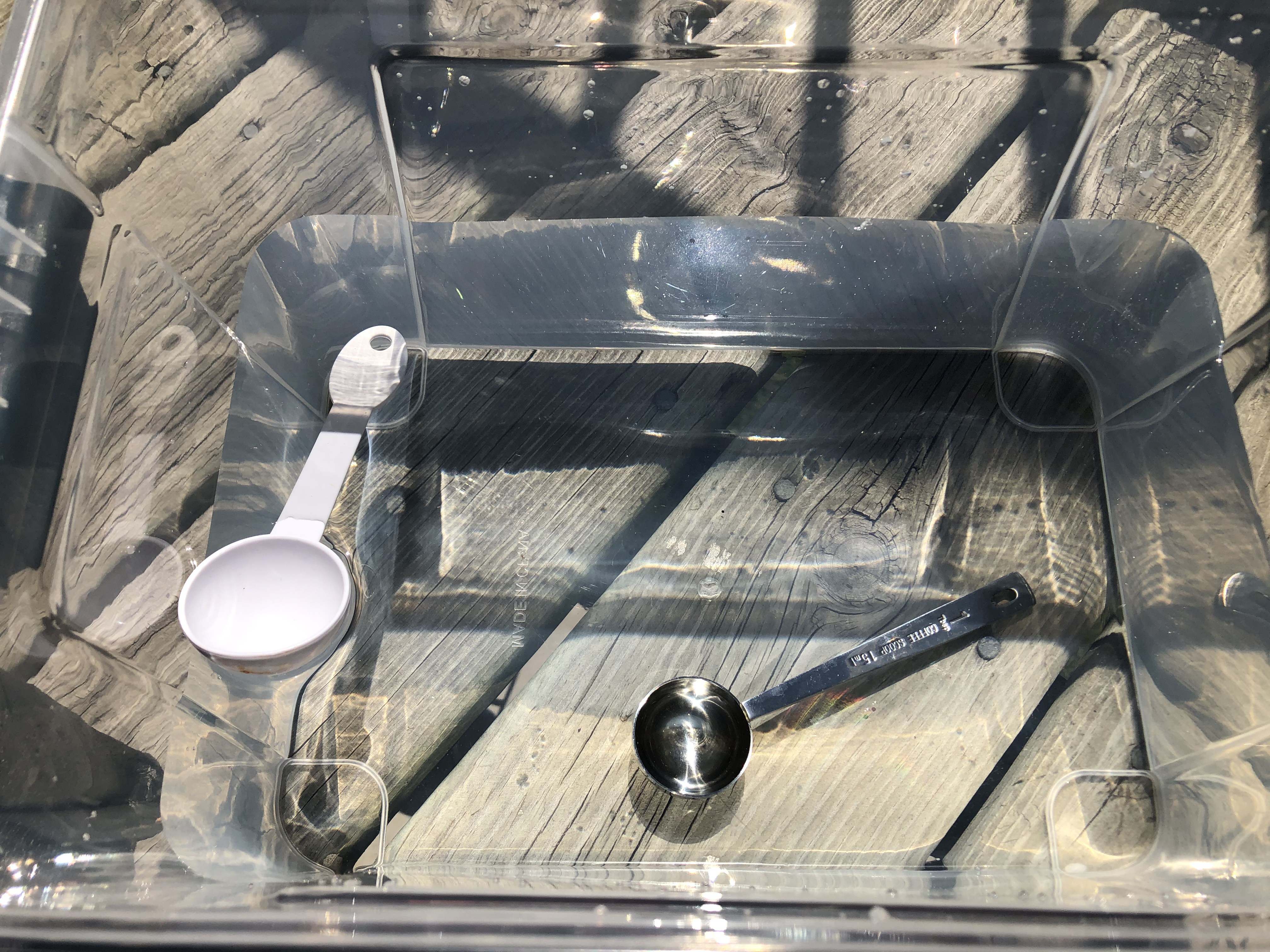
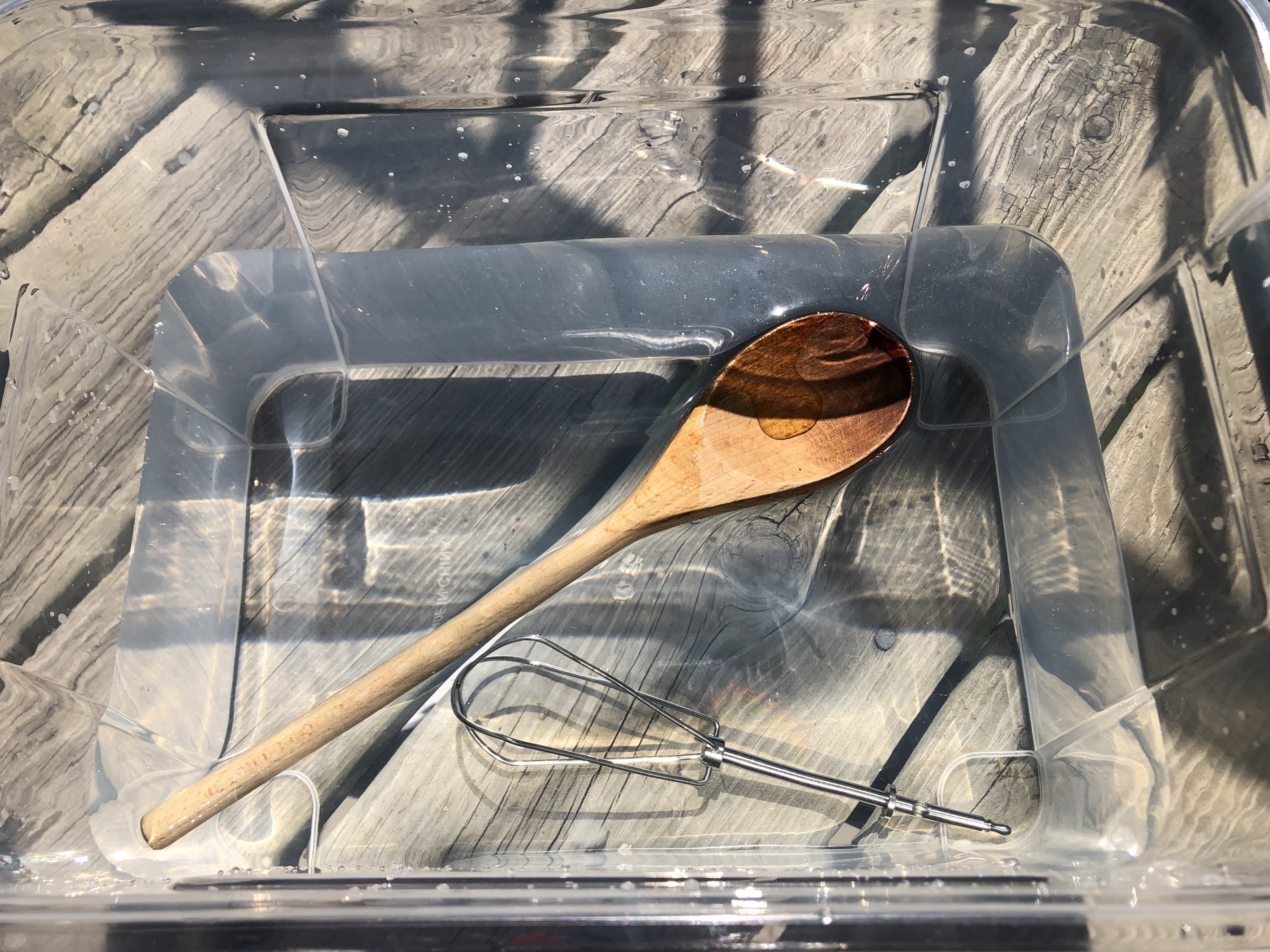
This week’s Brain Builder is a classic science experiment: Sink or Float. First, gather a variety items from from your house, looking for different sizes and materials like wood, metal, plastic, etc. I found some plastic animals of various sizes, a plastic and metal measuring spoon, a lid, a small jar, and a very random octopus tentacle and yo-yo from the junk drawer. You also need a container and water.
Choose one item at a time and take a moment to observe the object. What is it made of? Wood? Metal? Is it heavy? Light? Make a prediction about whether the object will sink or float. We learned that metal sinks quickly, while wood and plastic are likely to float.
Next, we predicted the yo-yo would float since it is made of plastic. Success! The yo-yo floated but we quickly noticed that the string did not.
Then we were excited to try the silly plastic octopus tentacle and the jar and lid. We predicted all 3 would float and they did. Until they sank. We realized that those objects floated until they filled with water and then they sank.
Lastly, we decided to check out the animals. We predicted the moose and the bear would sink because they were so big, and that the fish and the alligator would float because they were small and made of plastic. We were wrong! Which is part of being a scientist sometimes.
We decided to re-examine the animals since we predicted incorrectly. We finally realized that the bear and moose were hollow and full of air, while the fish and the alligator were made of a denser plastic.
This is a Brain Builder because it engages children in the process of scientific inquiry: observing, categorizing, and making predictions. You don’t even have to know why they sink or float, it’s meaningful just participating in the process.
*Bonus Brain Builder: We charted our predictions and outcomes, counted which items sank or float, and made a graph of our results.