
- Home Test 625
- Home
- Visit
- Exhibits
- Programs & Events
- Membership
- Support
- Give the Gift of Play
- About
- Checkout
- Cart
- Utility
- Birthday Party Cancellation Form
- Phone Call
- Request for a Facility Rental Agreement
- Privacy Policy
- American Girl Benefit Sale
- Party Catering Form
- Event Date Request Form
- Camp Food Orders
- Flourish!
- IA24 Evening Event RSVP
- Development Events RSVP
- Development Tour
- Folder Request Form
- Development Team Test Page
- Logout
- Birthday Parties
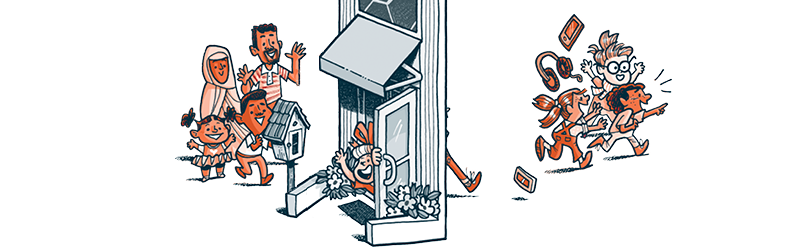
How do we talk to children in times of crisis?
When the world feels heavy and headlines are unsettling, it’s natural to stay glued to every update. But as caregivers, we need to consider what our children need most—and for young children, that often means shielding them from the news cycle altogether.
Young children can’t contextualize frightening events the way adults can. Repeated images of disasters or violence don’t register as coverage of a single event—they seem like multiple crises happening simultaneously and endlessly. A crisis happening far away can feel dangerously close. The kindest thing we can do is consume news away from young eyes and ears. Read updates on your phone out of their sight, use headphones to listen to the news or podcasts, or simply keep screens off when they’re around.
For older children who may already be aware that something troubling is happening, conversation becomes essential. Ask questions: What have you heard? What do you think that means? How does this make you feel? Children often piece together incomplete information or draw their own conclusions. Let them guide you in how much detail they’re ready for. Ultimately, many of their questions will circle back to one core concern: “Are we going to be okay?”
This is also a valuable time to explore where your children get their information. Talk with them about bias, misinformation, reliable sources, and how easily things get distorted online—skills they’ll carry with them.
Resources
- What to say to kids when the news is scary (NPR, first published in 2019)
- How to talk with kids about tragedies & other traumatic news events (HealthyChildren.org, first published 2022)
- Supporting kids of color in the wake of racialized violence (EmbraceRace podcast, first published 2016)
- An activity book for African American families: Helping children cope with crisis (National Institute of Child Health and Human Development, first published 2012)
- Talking with kids about ICE (St Paul Public Library, first published 2026)
- Association of Children’s Museums Statement on the Protection and Well-Being of Children (2026)


